
Dokra Art of Bengal: History, Craftsmanship, and Cultural Significance
Introduction
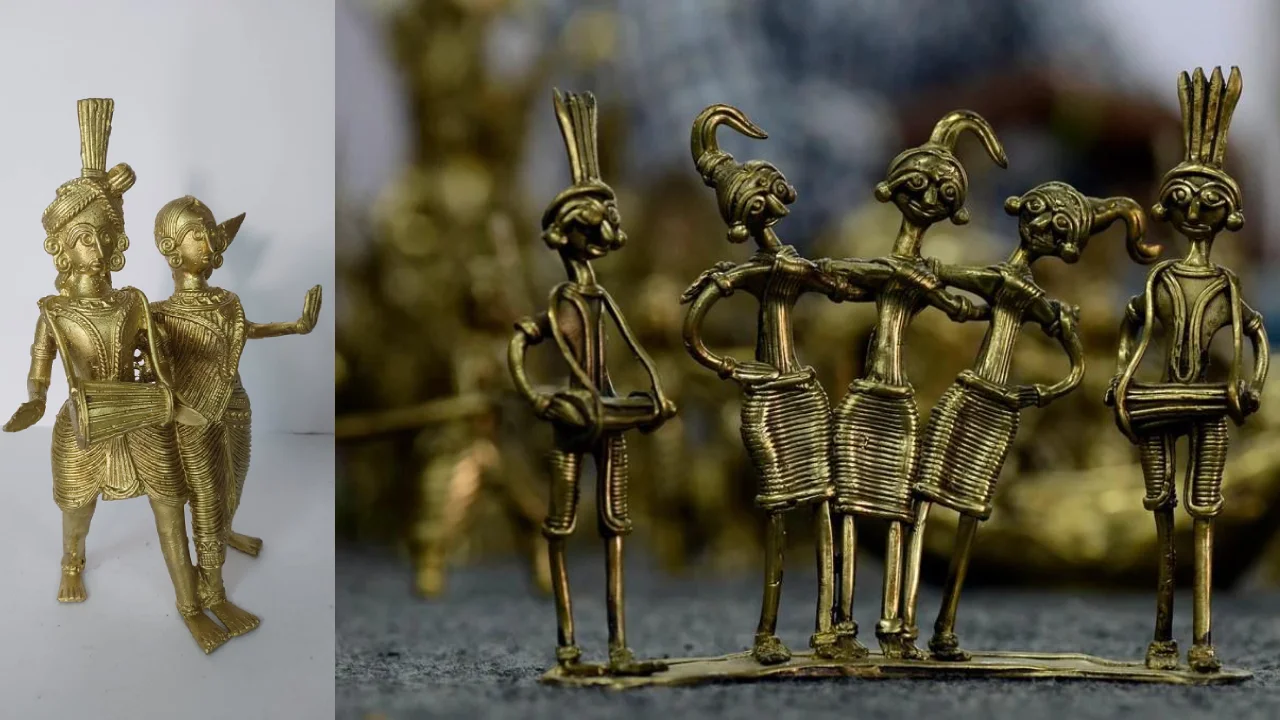
Dokra Art of Bengal is one of the most fascinating and ancient forms of metal craftsmanship in India. Known for its rustic beauty and handmade uniqueness, this traditional art form has been practiced for thousands of years. What makes Dokra art truly special is its use of the lost-wax casting technique, a method that ensures no two pieces are ever the same.
In West Bengal, this art form is still alive in villages like Bikna and Dariyapur, where skilled artisans continue to create stunning metal sculptures that reflect tribal culture, mythology, and everyday life.
The Rich History of Dokra Art
Origins in Ancient Civilization
The history of Dokra art dates back more than 4,000 years to the Indus Valley Civilization. One of the most famous examples of this technique is the “Dancing Girl” statue from Mohenjo-daro, which showcases early lost-wax casting craftsmanship.
Journey of Dokra Artisans
The Dokra artisans, also known as Dhokra Damar tribes, were traditionally nomadic. Over time, they migrated across different regions of India, spreading their metalworking skills. In Bengal, they settled in rural areas and integrated their art into local traditions and rituals.
Evolution in Bengal
In West Bengal, Dokra art became deeply connected with rural culture. It was not just decorative but also used in religious rituals, home décor, and local markets. Today, it represents a strong cultural identity of tribal communities.
The Unique Lost-Wax Casting Process
One of the most defining aspects of Dokra art is its production technique. The lost-wax method ensures that each piece is handcrafted and completely unique.
Step-by-Step Process
1. Clay Core Formation
Artisans begin by shaping a rough clay core that forms the base of the sculpture.
2. Wax Detailing
A mixture of beeswax and resin is applied over the clay. Fine designs are created using thin wax threads.
3. Clay Molding
The wax model is coated with multiple layers of clay to form a mold.
4. Heating
The mold is heated, causing the wax to melt and drain out, leaving a hollow cavity.
5. Metal Casting
Molten brass or bronze is poured into the cavity.
6. Finishing
After cooling, the outer clay mold is broken to reveal the final sculpture, which is polished and refined.
Because the mold is destroyed during the process, every Dokra piece is one-of-a-kind.
Artistic Style and Design Elements
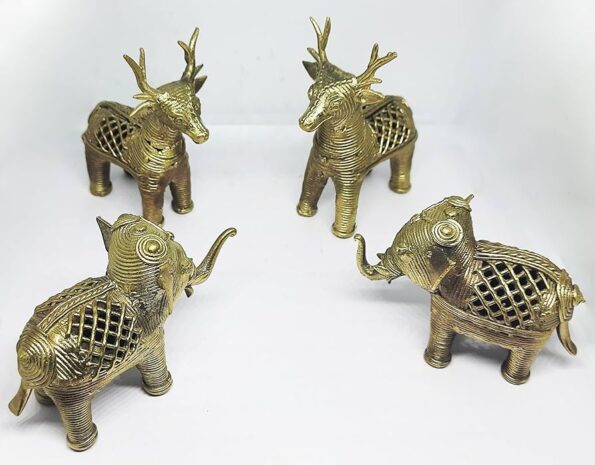
Dokra art is instantly recognizable due to its raw, textured look and intricate patterns.
Key Features
- Rustic and antique finish
- Fine linear detailing
- Geometric and tribal patterns
- Handmade imperfections that add charm
Popular Motifs
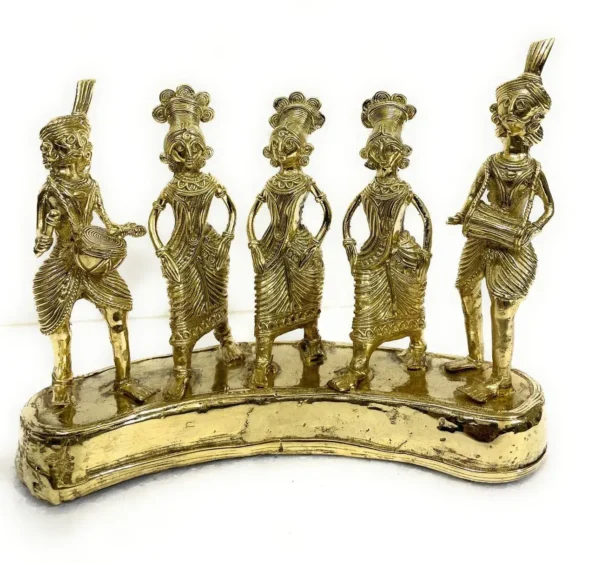
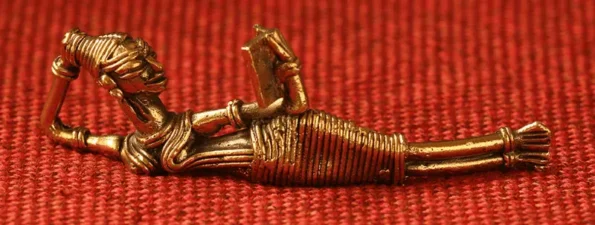
- Tribal dancers and musicians
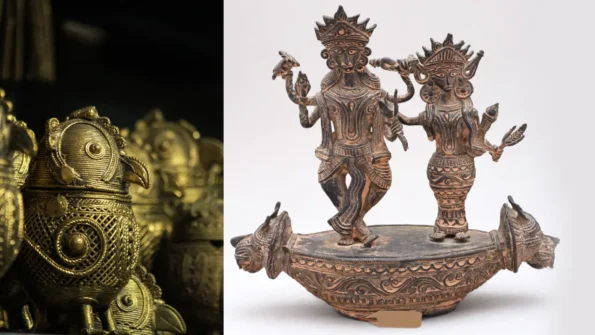
- Animals like horses, elephants, and birds
- Mother-and-child figures
- Village life scenes
- Deities and mythological figures
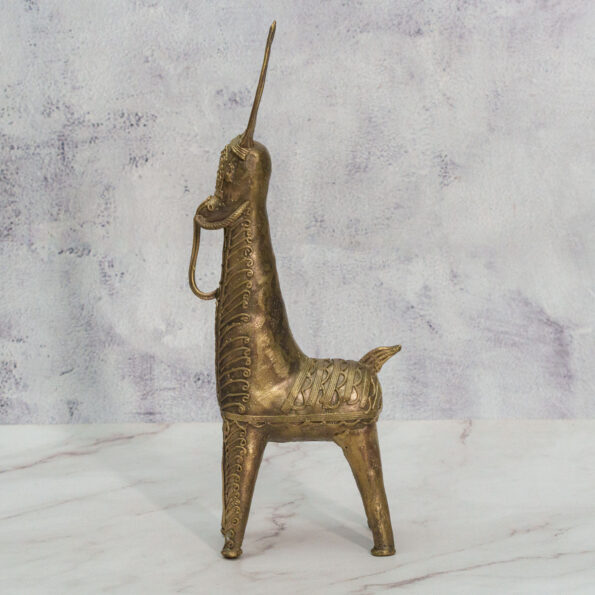
Among these, the Dokra horse is one of the most iconic designs, symbolizing strength and heritage.
Cultural Importance of Dokra Art
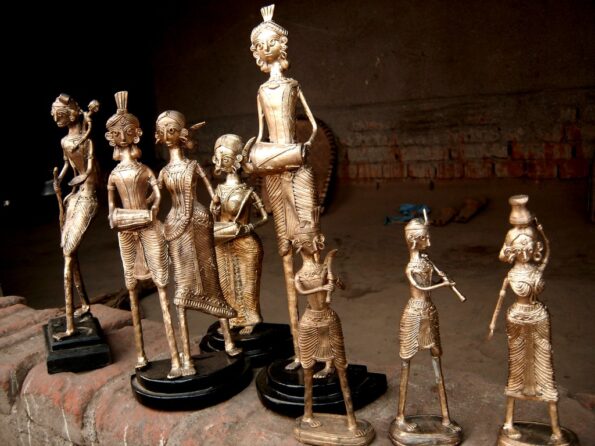
Dokra art is not just a craft—it is a living tradition. It reflects the lifestyle, beliefs, and creativity of tribal communities.
Connection to Tradition
- Used in religious ceremonies
- Represents folklore and mythology
- Passed down through generations
Economic Significance
For many artisan families, Dokra art is the primary source of income. Government initiatives and craft fairs have helped promote this art form, providing better opportunities for artisans.
Modern Adaptation of Dokra Craft
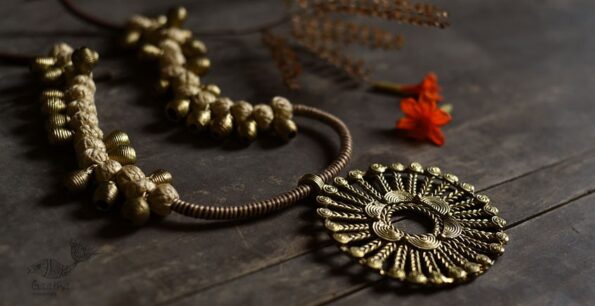
While rooted in tradition, Dokra art has evolved to meet modern demands.
Contemporary Products
- Home décor items
- Jewelry and accessories
- Lamps and candle holders
- Decorative wall art
- Utility products like trays and boxes
This blend of traditional technique and modern design has made Dokra art popular not only in India but also in international markets.
Why Dokra Art is Unique
Dokra art stands out for several reasons:
1. Ancient Technique
The lost-wax casting method has remained unchanged for centuries.
2. Handmade Identity
Each piece is crafted by hand, making it unique.
3. Cultural Depth
It reflects tribal heritage, traditions, and stories.
4. Sustainable Craft
Uses natural materials like clay and wax, making it eco-friendly.
Challenges Faced by Dokra Artisans
Despite its popularity, Dokra art faces several challenges:
- Limited financial support
- Competition from machine-made products
- Lack of global exposure
- Declining interest among younger generations
However, increasing awareness and digital platforms are helping revive this traditional craft.
Future of Dokra Art
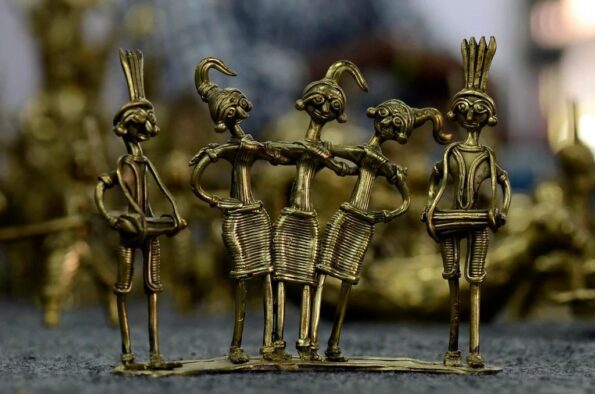
The future of Dokra art looks promising as more people appreciate handmade and sustainable products.
Growth Opportunities
- Online marketplaces
- Export opportunities
- Collaboration with designers
- Government and NGO support
With the right promotion, Dokra art can continue to thrive globally.
Conclusion
Dokra Art of Bengal is a timeless symbol of India’s rich cultural heritage. From its ancient origins to its modern adaptations, this unique metal craft continues to inspire with its beauty and craftsmanship. Supporting Dokra artisans not only helps preserve tradition but also promotes sustainable and ethical art.
